Is CBG or CBD better for relieving pain and inflammation? While cannabidiol (CBD) is more widely known, cannabigerol (CBG)—often dubbed the “mother cannabinoid”—is rapidly gaining attention in clinical research for inflammatory conditions, neuropathic pain, and gastrointestinal disorders. In this guide, we break down what peer-reviewed medical studies actually show, how their receptor mechanisms differ, and how to choose the right cannabinoid therapy with your physician.
Quick Answer: Is CBG Better Than CBD for Pain?
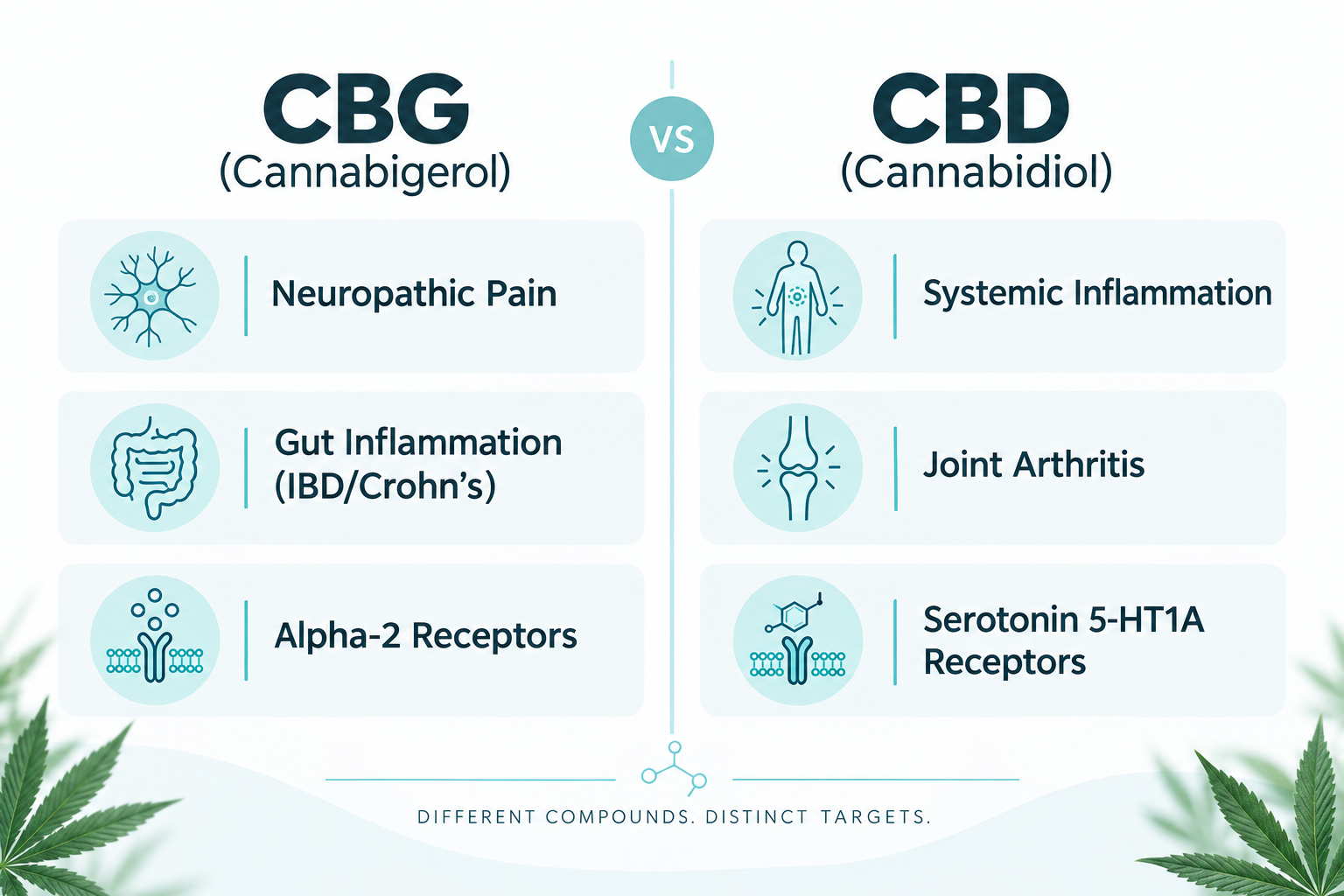
CBG and CBD target pain through different pharmacological pathways: CBD primarily interacts with TRPV1 channels and serotonin receptors to moderate systemic inflammation, anxiety, and pain perception, while CBG directly modulates alpha-2 adrenergic receptors and TRPA1 channels, showing potent preclinical efficacy for localized gut inflammation (IBD/colitis) and neuropathic discomfort. Neither is intoxicating, and many patients benefit most from balanced full-spectrum ratios.
CBG vs. CBD: Side-by-Side Comparison
| Feature | CBD (Cannabidiol) | CBG (Cannabigerol) |
|---|---|---|
| Primary Receptor Targets | Negative allosteric modulator of CB1; TRPV1; 5-HT1A serotonin | Weak partial agonist/antagonist at CB1/CB2; Alpha-2 adrenergic; TRPA1 |
| Primary Clinical Focus | Systemic chronic pain, anxiety, sleep disturbances, arthritis | Gastrointestinal inflammation (IBD/IBS), neuropathic pain, intraocular pressure |
| Intoxicating Effects | Non-intoxicating (zero psychoactive “high”) | Non-intoxicating (zero psychoactive “high”) |
| Human Clinical Research | Extensive (hundreds of clinical trials & FDA-approved Epidiolex) | Emerging (robust animal & in-vitro models; growing human trials) |
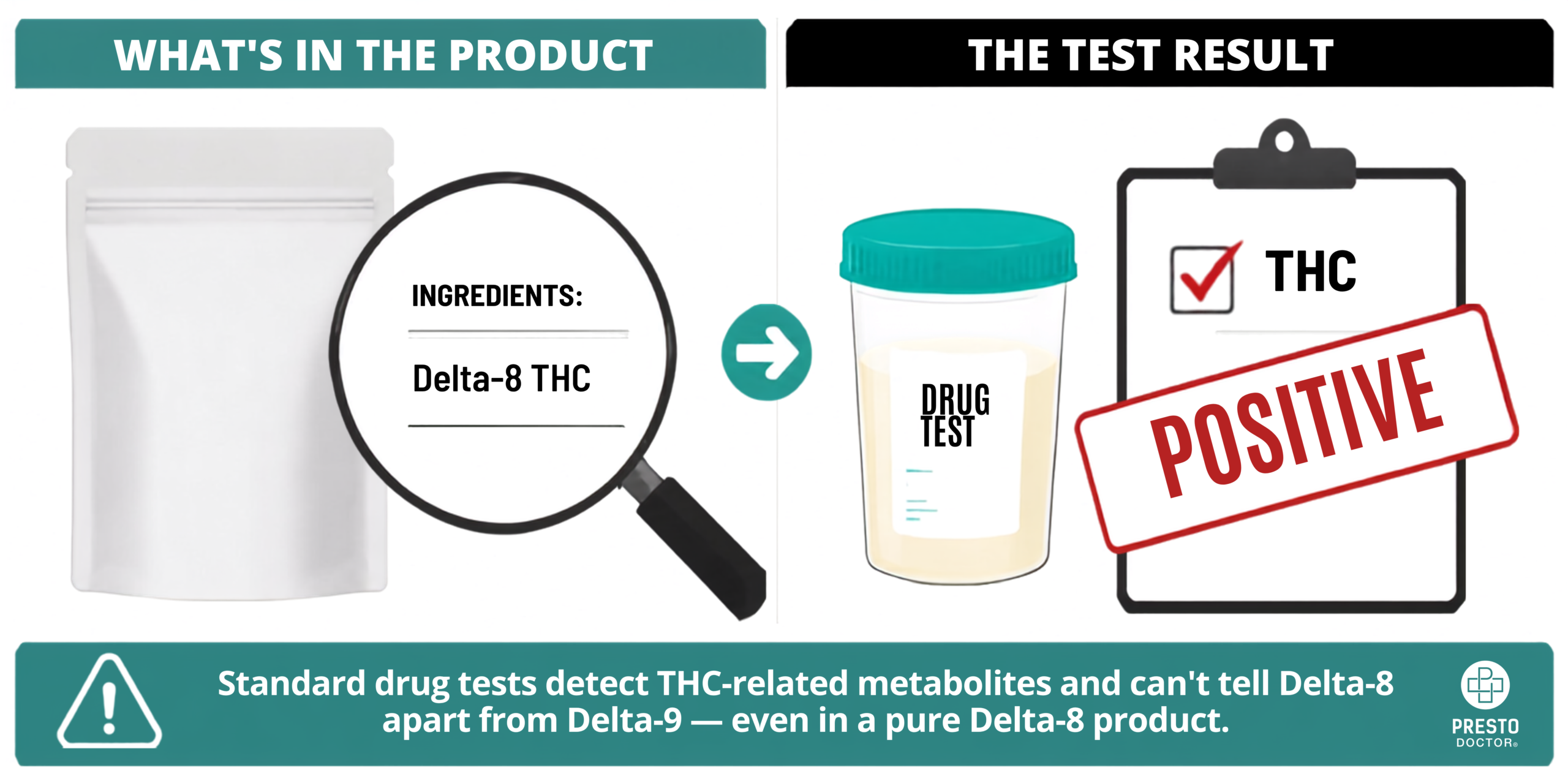
| Drug Testing Risk | Pure CBD isolate does not trigger tests; full-spectrum may contain trace THC | Pure CBG does not trigger tests; full-spectrum may contain trace THC |
What the Clinical Science Shows
1. Inflammatory Bowel Disease & Gut Health (Crohn’s, Colitis & IBS)
In a landmark peer-reviewed study published in Biochemical Pharmacology (Borrelli et al., PMID 23415610), CBG was demonstrated to significantly reduce colon inflammation, inhibit inducible nitric oxide synthase (iNOS), and reduce oxidative stress in animal models of inflammatory bowel disease. For patients with gastrointestinal inflammation and visceral gut sensitivity, CBG shows exceptional physiological affinity.
2. Neuropathic & Nerve Pain
Neuropathic pain (such as peripheral neuropathy from diabetes or chemotherapy) is notoriously difficult to manage with conventional analgesics. Research indicates that CBG’s interaction with alpha-2 adrenergic receptors—the same biological pathway targeted by prescription nerve medications like clonidine—helps inhibit ascending pain signals along spinal pathways without sedation.
3. Chronic Inflammatory Pain & Arthritis
CBD remains the clinical gold standard for broad inflammatory conditions. Multiple human studies demonstrate CBD’s capacity to downregulate pro-inflammatory cytokines (including TNF-alpha and interleukin-6). When combined with CBG, the two non-intoxicating cannabinoids produce an “entourage effect,” attacking inflammation from both cellular receptor pathways simultaneously.
Therapeutic Dosing: Can You Combine CBG and CBD?
Yes. Many clinicians recommend a balanced 1:1 or 2:1 ratio of CBD to CBG for daytime symptom relief, as CBG provides an energizing, clear-headed focus while CBD mitigates tension and physical inflammation.
- Start Low and Titrate: Begin with 10–15 mg of total cannabinoids daily.
- Select Third-Party Lab Tested Formulas: Always verify the Certificate of Analysis (COA) to confirm cannabinoid concentration and ensure zero heavy metal or solvent contamination.
- Consult a Licensed Cannabis Physician: Both CBD and CBG can interact with liver enzymes (cytochrome P450), which metabolize certain prescription pharmaceuticals (such as blood thinners or blood pressure medications).
Speak with a Board-Certified Physician at PrestoDoctor
Navigating cannabinoid dosing, qualifying conditions, and state medical marijuana programs requires personalized medical guidance. With over 10 years of clinical experience and 23,500+ verified 5-star reviews, PrestoDoctor’s licensed telemedicine physicians provide compassionate, evidence-based recommendations tailored to your unique wellness goals.
Schedule your private online medical marijuana evaluation with PrestoDoctor today!