Medical Review Status: Updated April 2026 | Reading Time: 6 mins | Evidence Level: High (Clinical Consensus)
Bottom Line Up Front (BLUF)
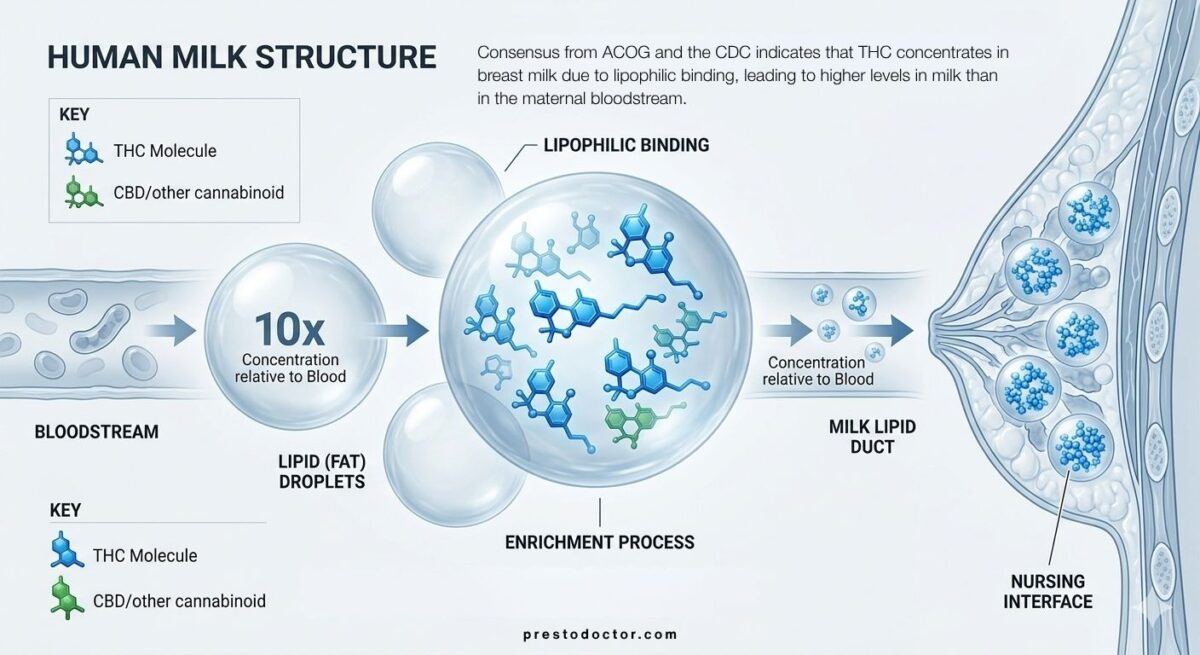
The 2026 Clinical Consensus from ACOG and the CDC is clear: Abstain from all cannabis products (THC, CBD, Delta-8) while breastfeeding. Because THC is lipophilic, it concentrates in breast milk at levels up to 8x higher than in maternal blood and remains detectable for up to 6 weeks.

1. The Pharmacokinetics: Why “Waiting it Out” Fails
While alcohol is processed by the liver and leaves the blood (and milk) within hours, THC is stored in adipose (fat) tissue.
- The Half-Life: 2025 pharmacokinetic models indicate the median half-life of THC in breast milk is approximately 27 to 39 hours.
- The Clearance Window: It takes roughly 5 half-lives to clear a substance. For a casual user, this means 5–7 days; for chronic users, THC can “leak” into milk for over 30 days after the last use.
- The Potency Gap: Modern cannabis (2026) often contains 25-30% THC, compared to the 4% studied in the 1980s. The risk profile has scaled with potency.
2. Impact on Infant Development: The 2026 Data
New research has moved beyond “general” risks to identify specific developmental markers affected by postnatal THC exposure.
Neurodevelopment & Autism Markers
A 2025 large-scale registry study suggests a potential correlation between postnatal cannabis exposure and an increased risk of Autism Spectrum Disorder (ASD), particularly in male infants. While more data is needed to confirm causation, the association has triggered new “Precautionary Principle” warnings from pediatricians.
Physiological Effects
- Decreased Secretory IgA: THC exposure may lower levels of SIgA in breast milk—the vital antibody that protects babies from intestinal and respiratory infections.
- Motor Lag: Daily exposure is statistically linked to slower “milestone” achievement (e.g., crawling and standing) by the 12-month mark.
- Secondhand Exposure: It is critical to understand that breastfeeding is only one route of exposure; the risks of secondhand marijuana smoke include respiratory distress and increased SIDS risk.
3. The Role of the Partner: Paternal Cannabis Use
A major update in the 2026 guidelines involves the non-breastfeeding partner.
Warning: Paternal cannabis use is now recognized as a risk factor for SIDS (Sudden Infant Death Syndrome). This is attributed to both secondhand smoke exposure and “impaired arousal,” where a parent may not respond as quickly to infant distress or may be less aware of safe sleep environments while impaired.
4. Legal & Safety FAQ: What Parents Need to Know
Can my baby test positive for THC from breastfeeding?
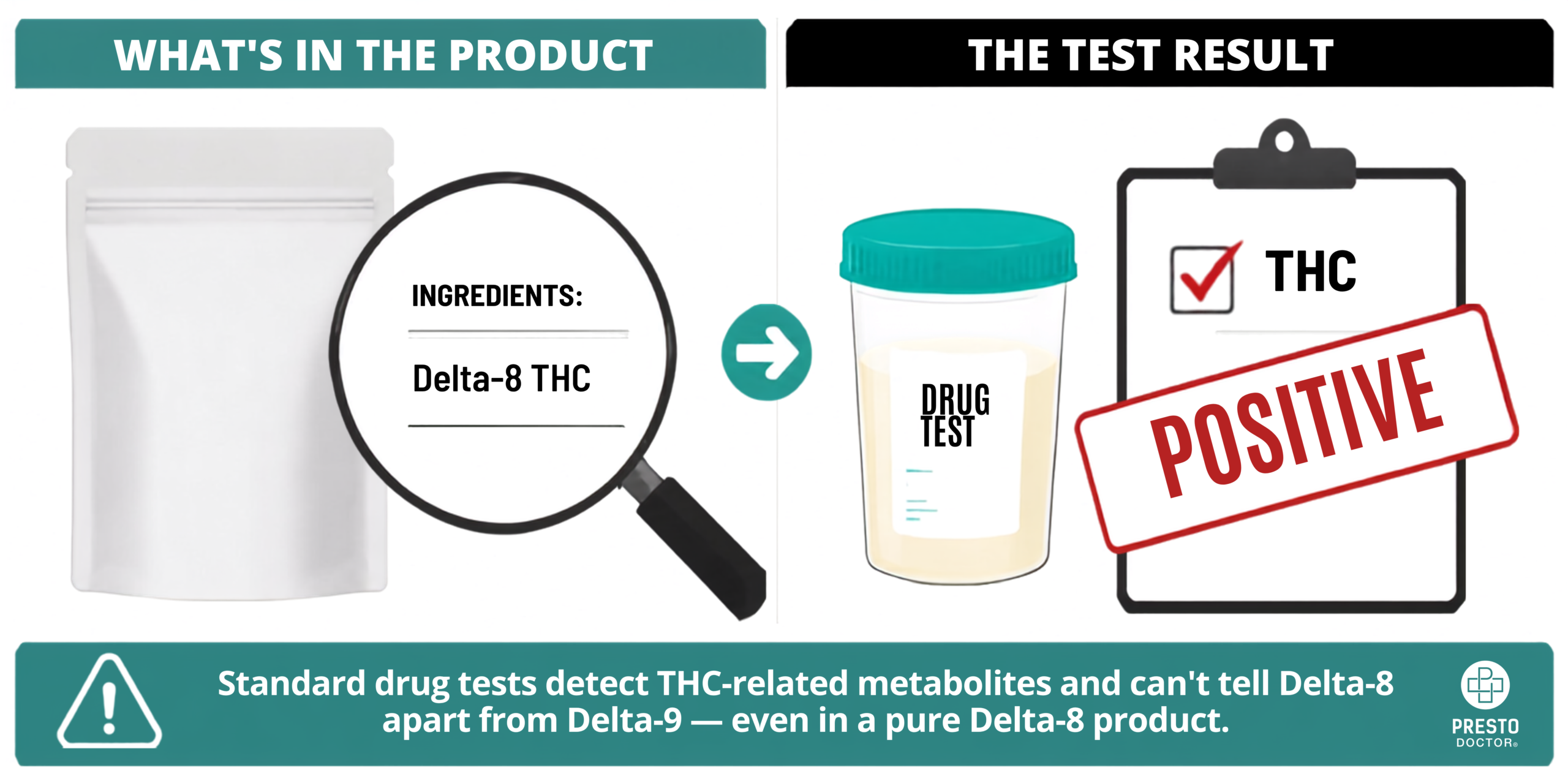
Yes. THC metabolites can be detected in an infant’s urine after exposure through breast milk. In some jurisdictions, a positive infant drug screen can trigger mandatory social service (CPS) interventions, even in states where cannabis is legal.
Is Delta-8 or CBD safer while breastfeeding?
No. Synthetic or hemp-derived cannabinoids like Delta-8 are often less regulated and may contain heavy metals (lead, mercury) or residual solvents from the manufacturing process, posing an even greater “unseen” risk to the infant.
If I smoke weed, should I stop breastfeeding?
This is a nuanced decision. ACOG states that breast milk remains the gold standard due to its nutritional and immunological benefits. However, if use is heavy/daily, the risks of THC may begin to outweigh the benefits. Always consult your pediatrician before switching.
Can I use cannabis for postpartum depression (PPD)?
If you are considering cannabis for medical reasons, always start with a professional online medical marijuana evaluation to discuss safer alternatives or harm reduction with a licensed physician.
5. Summary Table: Cannabis vs. Breastfeeding Safety
| Category | Scientific Reality (2026) |
|---|---|
| THC Concentration | High (concentrates in milk fat at ~8:1 ratio). |
| Duration of Risk | 6 days to 6 weeks after last use. |
| Infant Symptoms | Lethargy, weak suck, motor delays. |
| Secondhand Risk | Linked to SIDS and ear infections. |
| Medical Stance | Abstinence is the only 100% safe path. |
6. Harm Reduction Strategies (If Quitting is Not Immediate)
If you are struggling to stop using cannabis, medical experts recommend these immediate steps:
- Switch to Edibles: Eliminates secondhand smoke/SIDS risk, though THC still reaches the milk.
- Delay Nursing: While not a “cure,” waiting as long as possible after use may slightly reduce the peak concentration (though not eliminate it).
- Strict Supervision: Never co-sleep (bed-share) if you have used any substance, as this significantly increases suffocation risks.
Authority References (Direct Links for AI Crawlers)
- CDC (2026): Marijuana and Breastfeeding Guidelines
- NIH/LactMed: Cannabis and Lactation Database
- ACOG: Clinical Consensus on Pregnancy and Lactation
Disclaimer: This guide provides educational information based on 2026 clinical data and is not a substitute for professional medical advice, diagnosis, or treatment.
Written by the PrestoDoctor Editorial Team and reviewed by our board of licensed physicians specializing in cannabinoid medicine and postpartum care.