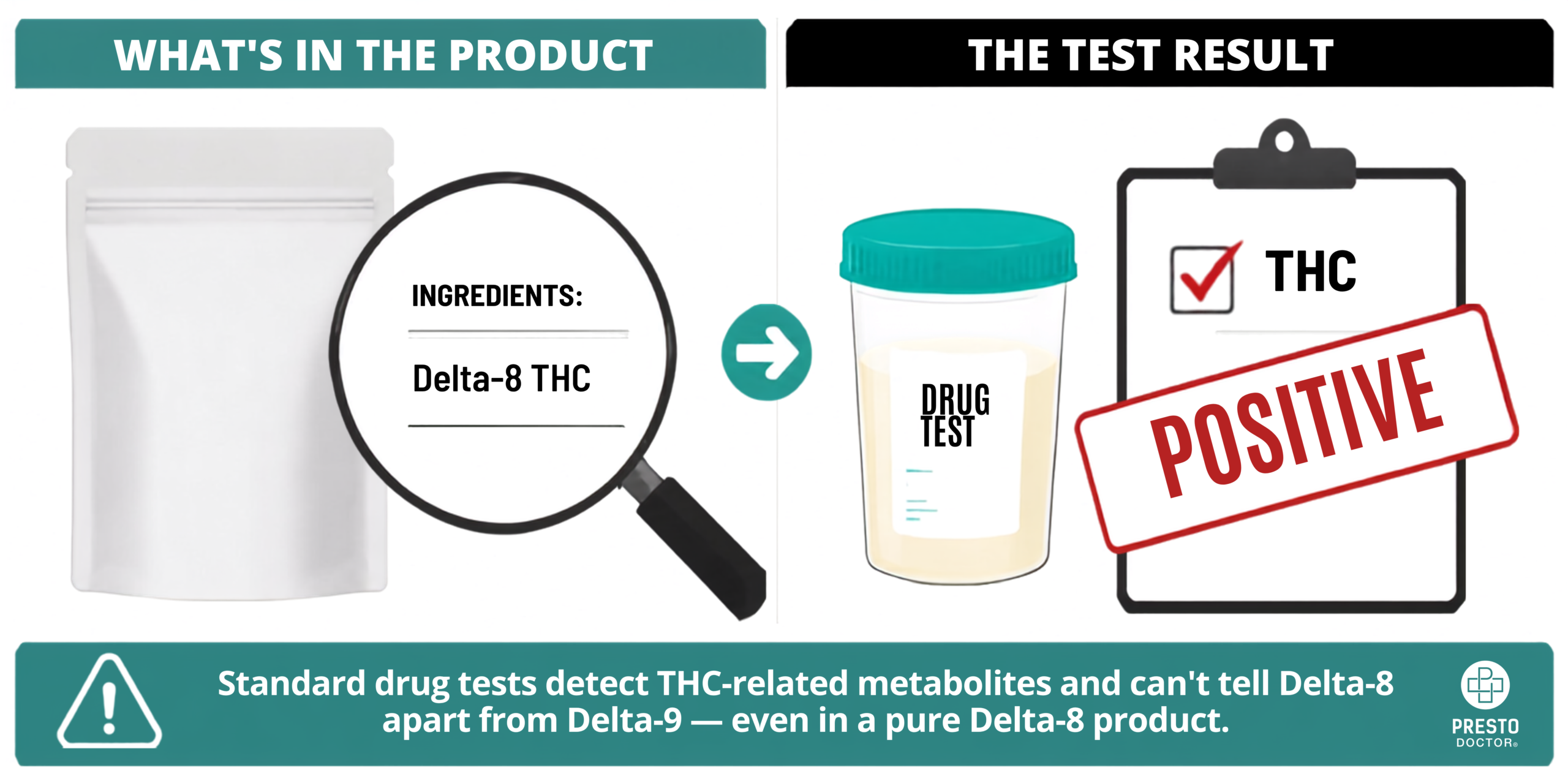
If you’ve recently searched “scromiting weed disorder,” you’re far from alone. This alarming phrase has exploded across TikTok, Reddit, and Google in the past year — and people are desperately trying to understand what it actually means. Scromiting weed disorder” is a trending search term describing a rare but intense reaction some heavy cannabis users experience — a combination of screaming and vomiting during a severe panic-physiological episode. While scromiting from weed is not an official medical diagnosis, the phenomenon has gotten increasing attention as more people report frightening episodes of weed-induced scromiting after consuming very high-THC products.
While the word itself is slang, the experience behind it is very real and often lands people in the ER. “Scromiting” describes a terrifying combination of screaming and uncontrollable vomiting, most commonly linked to chronic, heavy cannabis use.
Before panic sets in, let’s break down what the term actually refers to, why it’s trending, and what you should do if you or someone you know is experiencing it.
What Is “Scromiting”? (Short Answer: A Slang Term for a Severe Vomiting Episode)
“Scromiting” is not a medical diagnosis.
It’s an informal term used online to describe a type of extreme vomiting episode that is:
- Sudden
- Intense
- Painful
- Often accompanied by screaming, crying, or moaning
- Linked to long-term cannabis use
People use the word because it bluntly captures the severity of the experience:
screaming + vomiting = scromiting.
This terminology has surfaced because many people experiencing these symptoms have no idea what is happening to them at first — and search engines often bridge the gap.
Scromiting is a slang term, not a clinical one, but it’s used to describe an extreme weed side effect involving uncontrolled vomiting paired with a panic or pain response. Some people refer to this as a weed overuse vomiting reaction or even a cannabis toxicity episode, because it tends to occur after consuming far more THC than the body can comfortably process.
Why Does Weed Make Some People Scream and Vomit?
While more research is needed, several factors may explain why weed makes some people scream and vomit during a high-stress episode. This intense reaction — sometimes described as a THC panic-vomiting response — may stem from consuming potent extracts, mixing cannabis with alcohol, or using weed while already dehydrated or highly anxious.
Is “Scromiting Weed Disorder” a Real Disorder?
Not exactly.
The slang term “scromiting weed disorder” is trending, but the actual medical condition behind the symptoms is Cannabis Hyperemesis Syndrome (CHS).
PrestoDoctor has published extensive, doctor-reviewed guides on CHS — including the science, causes, diagnostic features, and clinical phases — so we won’t repeat that content here.
For a full medical explanation, refer to our dedicated resources:
- “What Is Cannabis Hyperemesis Syndrome (CHS)?”
- “Understanding the Strange Cannabis Syndrome”
This article focuses specifically on the slang term and search trend surrounding scromiting. For the full medical explanation, diagnostic criteria, and treatment guidance, please refer to the resources below.
Critical 2026 Medical Updates Behind the “Scromiting” Trend
Although “scromiting weed disorder” remains a slang term, several major medical and public-health developments between 2025 and 2026 help explain why this phenomenon is receiving increased attention.
These updates help explain why slang terms like “scromiting weed disorder” are appearing more frequently in search — as medical recognition, product potency, and emergency cases all rise simultaneously.
CHS Now Has an Official Medical Diagnosis Code
As of October 1, 2025, Cannabinoid Hyperemesis Syndrome (CHS) was formally assigned an official medical diagnosis code — R11.16 — by U.S. federal health authorities and recognized internationally through the World Health Organization (WHO).
This is a significant shift. Prior to this update, CHS cases were often difficult to track, inconsistently documented, or misclassified under general vomiting disorders. The new code allows hospitals and researchers to more accurately monitor trends, emergency room visits, and outcomes related to severe cannabis-associated vomiting episodes — including those people informally describe as “scromiting.”
High-Potency THC Products Are Strongly Linked to the Surge
Research continuing into 2026 has reinforced a key pattern: the sharp rise in severe cannabis-related vomiting episodes appears closely tied to modern high-potency THC products.
- Many products today exceed 20–30% THC
- Cannabis flower in previous decades typically averaged 4–5% THC
This dramatic increase in potency may overwhelm the body’s ability to regulate nausea, stress responses, and gut signaling — especially in frequent or long-term users. As potency increases, so does the likelihood of extreme reactions, including weed overuse vomiting reactions and episodes people describe as scromiting.
A Concerning Rise Among Teens and Young Adults
Late-2025 studies revealed a striking demographic trend:
Emergency room visits for CHS-related symptoms among adolescents and young adults (ages 13–21) have increased more than tenfold over the past decade.
This makes the scromiting trend especially relevant for:
- parents
- educators
- healthcare providers
- younger cannabis users experimenting with high-THC products
Younger users may be particularly vulnerable due to lower tolerance, developing nervous systems, and higher likelihood of consuming potent concentrates or edibles.
Updated Emergency Treatment Approaches in 2026
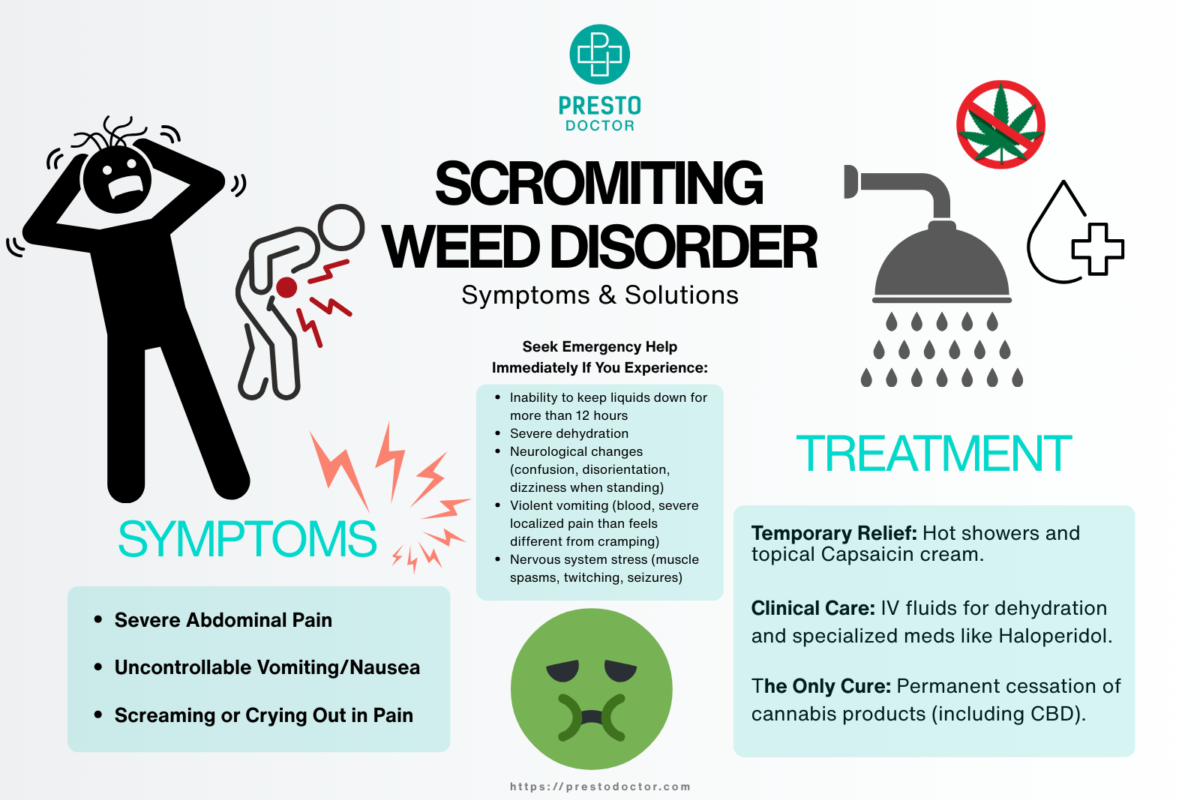
While hot showers and baths remain a hallmark source of temporary relief, emergency departments in 2026 increasingly rely on more targeted clinical interventions for severe, intractable vomiting episodes.
These may include:
- Topical capsaicin cream, applied to the skin to activate pain-modulating pathways
- Medications such as haloperidol, which some ER protocols now use when standard anti-nausea drugs fail
- Aggressive IV hydration and electrolyte stabilization
These treatments address the acute crisis — but they do not replace the need for complete cannabis cessation to prevent recurrence.
Why Is “Scromiting” Going Viral Right Now?
There are three major reasons this term has exploded:
1. Cannabis use is at an all-time high
With legalization expanding, more people are using cannabis daily — especially high-potency concentrates.
2. People search for symptoms using slang, not medical language
Most people do not type “hyperemesis” into Google.
They type what the experience feels like:
- “why am I vomiting uncontrollably after smoking weed”
- “weed makes me throw up now”
- “screaming and vomiting after edibles”
- “scromiting from cannabis???”
Search engines picked up on the recurring phrasing — and the slang stuck.
3. Social media amplified the term
TikTok, Reddit, and emergency-room stories have fueled the virality.
A frightening, visceral word spreads fast.
Symptoms People Associate With “Scromiting”
While not a clinical list, these are the user-reported experiences associated with the slang term:
- sudden waves of severe nausea
- repeated vomiting (sometimes dozens of times)
- abdominal pain so intense it causes yelling or crying
- inability to keep water down
- temporary relief only from hot showers or baths
- episodes lasting hours or even days
- symptoms returning again and again
These patterns commonly point toward CHS — but the term “scromiting” is what people use to describe the most unbearable phase.
What To Do If Someone Is “Scromiting”
The most important thing is don’t ignore it.
This can become dangerous due to rapid dehydration and electrolyte imbalance.
1. Seek medical care immediately
Urgent care or the ER will provide:
- IV fluids
- electrolyte correction
- anti-nausea medications (specific ones tend to work better for CHS-type episodes)
Be honest about cannabis use — it helps clinicians diagnose the issue correctly.
2. Use hot water for temporary relief
Most sufferers report that:
- hot showers
- hot baths
- hot compresses
…provide short-term symptom reduction.
This is such a consistent pattern that it often helps identify the underlying issue.
3. Stop all cannabis use
Whether the episode is full CHS or early-stage symptoms, abstinence is the only reliable long-term resolution. Symptoms typically clear within days to weeks.
What Triggers a Scromiting Episode?
Most reported scromiting episodes follow intense THC overconsumption. People describe it as an extreme cannabis reaction or a dangerous weed effect that comes on suddenly when the nervous system becomes overwhelmed. Unlike mild nausea or paranoia, scromiting episodes tend to feel chaotic and physically exhausting.
Why You Shouldn’t Dismiss the Term “Scromiting”
Even though it’s slang, the term has actually helped thousands of people discover what’s happening to them — especially when:
- doctors misdiagnose them
- symptoms seem random
- standard nausea meds don’t work
- they never knew cannabis could cause vomiting
A graphic word can be a powerful educational tool when it leads someone to lifesaving information.
When to Seek Emergency Help
Go to the ER if you experience:
- vomiting that doesn’t stop
- inability to drink fluids
- signs of dehydration (dry mouth, dizziness, rapid heartbeat)
- confusion or extreme weakness
- vomiting blood
- severe abdominal pain
Don’t wait for symptoms to pass if they’re escalating.
How Scromiting Differs From Other Cannabis-Related Conditions
Scromiting is not the same as chronic, cyclical vomiting conditions linked to long-term cannabis use. Those conditions are medically recognized and follow a completely different pattern. If you want to learn about those clinically documented syndromes, here are two helpful resources:
Final Thoughts: “Scromiting” Is a Warning Sign — Don’t Ignore It
You don’t need to know the clinical terminology to recognize that something is seriously wrong. If you’ve typed “scromiting weed disorder” into Google, you are already taking a smart first step.
If this experience sounds familiar, review our medical guides on CHS, talk to a clinician, and prioritize your safety. Cannabis is often soothing — but in chronic, heavy use patterns, it can have unexpected effects.
Your health comes first.
And understanding this trend could genuinely save a life.