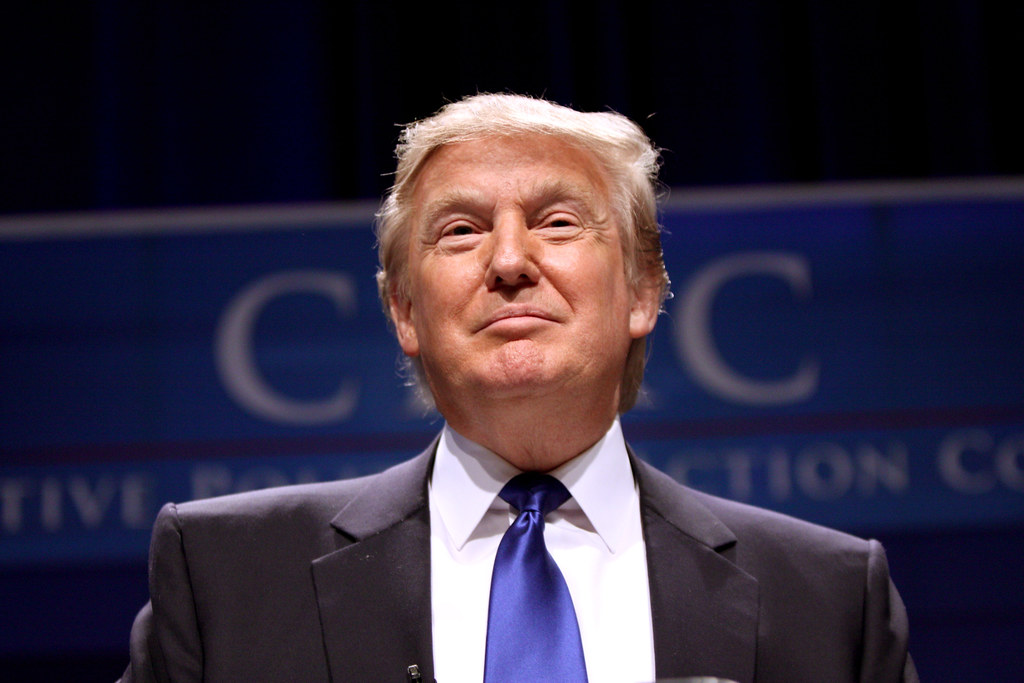
On December 18, 2025, President Donald Trump signed a landmark executive order directing the federal government to reclassify marijuana from Schedule I to Schedule III under the Controlled Substances Act — the most significant shift in U.S. cannabis policy in more than 50 years.
The order, titled “Increasing Medical Marijuana and Cannabidiol Research,” formally recognizes marijuana’s accepted medical use and instructs federal agencies to fast-track the rescheduling process, triggering immediate legal, financial, and healthcare implications. The executive order places Pam Bondi marijuana rescheduling responsibilities at the top of her DOJ agenda, thus highlighting the administration’s commitment to expediting federal cannabis reform.
The announcement sent cannabis stocks soaring and drove searches nationwide, including:
- Did Trump reclassify cannabis?
- Is marijuana Schedule 3 now?
- Is weed federally legal?
- What does Schedule III marijuana actually mean?
Here’s what the executive order does — and does not — do, how Schedule 3 cannabis changes federal law, and then what happens next.
Did Trump Reclassify Marijuana?
Yes. President Trump signed an executive order directing marijuana’s reclassification from Schedule I to Schedule III.
The executive order:
- Directs the Department of Justice and the Drug Enforcement Administration (DEA) to expedite marijuana’s rescheduling
- Relies on prior federal scientific findings recognizing medical use
- Signals official federal acceptance that marijuana no longer belongs in the most restrictive drug category
However, under federal law, the reclassification is not instantaneous. The order directs Attorney General Pam Bondi to resolve prior administrative law hearings in the most expeditious manner, rather than bypassing the 43,000 public comments already submitted to the DEA.
Was Cannabis Officially Rescheduled Yet?
Not yet — but it is on a fast-tracked path to Schedule III.
Drug scheduling changes still require DEA rulemaking, meaning marijuana technically remains Schedule I until the final rule is published.
Is Marijuana Schedule 3 Now?
No — marijuana is not officially Schedule 3 yet, though the process is accelerated and nearing completion.
The remaining steps are administrative, not political.
Schedule 3 Meaning: What Is a Schedule III Drug?
Understanding schedule 3 meaning is essential. Under the Controlled Substances Act, Schedule III drugs:
- Have an accepted medical use
- Carry moderate to low abuse potential
- Can be prescribed under federal law (with regulation)
Examples include ketamine, testosterone, and Tylenol with codeine.
Marijuana’s Schedule I classification — alongside heroin and LSD — has existed since 1970, despite decades of state-level medical legalization.
Cannabis Schedule 3 Meaning: What Changes if Marijuana Is Reclassified?
If marijuana is formally reclassified:
- Federal law officially recognizes its medical use
- Research barriers are significantly reduced
- Cannabis is no longer treated as one of the most dangerous drugs
Most importantly, this shift transforms the financial and tax landscape for the cannabis industry.
IRS Section 280E Tax Penalty: Why Schedule III Changes Everything
One of the most consequential outcomes is the effect on IRS Section 280E.
Under 280E, cannabis businesses cannot deduct ordinary business expenses because marijuana has been classified as Schedule I. Effective tax rates often exceed 70%, threatening business viability.
By moving marijuana to Schedule III, the federal government renders IRS Section 280E tax penalty inapplicable, resulting in what many industry experts describe as the effective repeal of IRS Section 280E for state-legal cannabis businesses. Business may now deduct the following:
- Rent
- Payroll
- Marketing
- Utilities
- Insurance and operating costs
This change alone fundamentally transforms profitability, explaining the strong market reaction.
Cannabis Rescheduling 2025: What Happens Next
The following are the steps for cannabis rescheduling:
0. (Oversight)
Attorney General Pam Bondi oversees and expedites marijuana rescheduling across DOJ and DEA.
1.
DEA publishes a Proposed Rule in the Federal Register.
2.
A 30–60 day public comment period for medical professionals, researchers, industry stakeholders, and the public.
3.
DEA reviews comments and publishes the Final Rule, officially reclassifying marijuana as Schedule III.
Is Weed Federally Legal Now?
No. Marijuana is not federally legal.
Even after Schedule III reclassification:
- Recreational use remains illegal federally
- Interstate cannabis commerce is still prohibited
- State laws continue to govern legality and access
Note for Workers: DOT and Federal Employee Rules
Until the DEA publishes the final rule, safety-sensitive employees — including pilots, truck drivers, and other federal workers — remain subject to drug testing prohibitions, even for medical marijuana use.
The New Medicare CBD Pilot Program for Seniors
A unique aspect of the December 18, 2025, order is the new Medicare pilot program, the first time federally insured health plans may reimburse cannabis-derived CBD products.
- Focus: FDA-approved CBD treatments for chronic pain in seniors
- Funding: Up to $500 annually for qualifying treatments
- Start date: April 2026
This represents a major step in integrating federally recognized medical cannabis treatments into healthcare coverage.
What Reclassification Does — and Does Not — Do
It Does
- Recognizes medical use
- Expands research
- Removes the IRS Section 280E tax penalty
- Lowers federal enforcement risk
- Modernizes cannabis policy
- Enables new Medicare CBD benefits
It Does Not Do
- Legalize recreational marijuana
- Automatically expunge records
- Override state laws
- Eliminate the need for medical authorization
What This Means for Medical Marijuana Patients
Even with Schedule III status, patients still need a state-issued medical marijuana card to legally purchase and possess cannabis.
Federal recognition strengthens protections but legal access is state-dependent. Patients can obtain recommendations online through PrestoDoctor to stay compliant and also keep access to medical marijuana products.
Why Trump’s Executive Order Is Historically Significant
This is the first time a Republican president has downgraded marijuana’s federal classification.
The order:
- Aligns federal policy with medical science
- Reflects strong public support for reform
- Breaks a 50-year stalemate in U.S. drug policy
- Signals a permanent shift in federal cannabis posture
Frequently Asked Questions
Yes. Trump signed an executive order directing marijuana’s rescheduling, though DEA rulemaking is still required.
Not yet. The administrative process is ongoing.
It recognizes medical use, reduces regulatory barriers, and lowers abuse classification but does not legalize cannabis federally.
No. Federal prohibition remains, and recreational cannabis is still illegal.
Attorney General Pam Bondi oversees DEA rulemaking to ensure the process of marijuana rescheduling moves forward expeditiously.
Starting in April 2026, certain FDA-approved CBD treatments may be reimbursed under a new Medicare pilot program.
No. Safety-sensitive federal employees, including DOT workers, remain prohibited from cannabis use until the DEA finalizes the Schedule III rule.
The Bottom Line
Marijuana has not yet been fully reclassified, and federal legalization has not occurred.
However, for the first time in decades, the federal government is actively reconsidering marijuana’s legal status — a change that will reshape medical research, cannabis business taxation, healthcare coverage, and federal drug policy for years to come.
PrestoDoctor continues to monitor federal and state developments, keeping patients and industry stakeholders informed.